
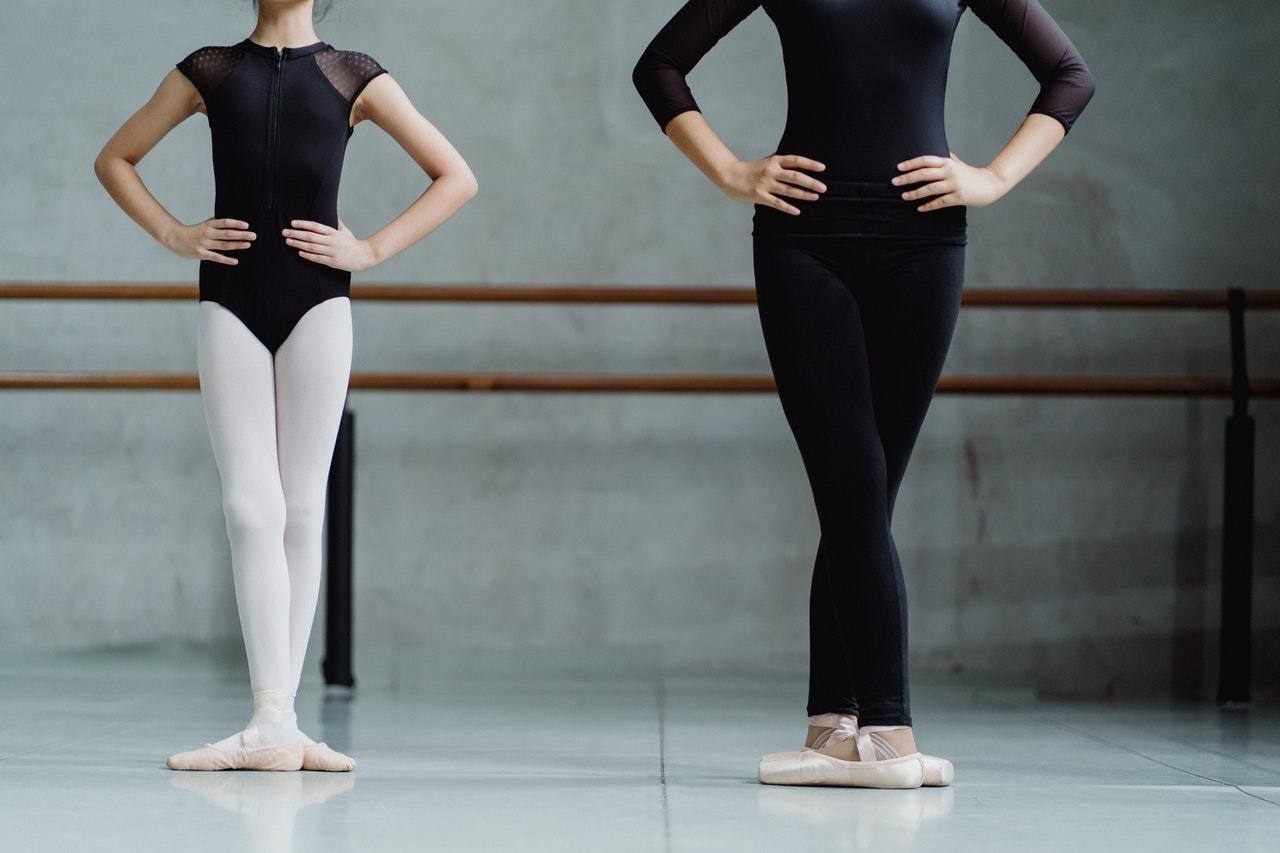
The right dancewear does more than meet a dress code. It directly affects how you move, how you focus, and how quickly you improve. Whether you are a dance mum shopping for your daughter or a young dancer choosing your own gear, what you wear to class genuinely matters. This guide breaks down exactly how the right dancewear improves your dancing and what to look for when you shop.
How the Right Dancewear Improves Your Dancing
Clothing that fits well and moves with your body lets you concentrate on technique rather than tugging at a strap or adjusting a waistband. Every distraction adds up over a one-hour class. When a leotard sits smoothly and tights stay in place, a dancer can focus entirely on what their teacher is showing them.
Good dancewear also gives teachers a clearer view of body alignment. A baggy t-shirt hides the line of a spine, the placement of hips, and the angle of shoulders. Purpose-made dancewear keeps those lines visible so corrections land accurately and progress happens faster.
Fabric matters too. Dancewear made from moisture-wicking, stretchy fabric moves with the body rather than fighting it. A dancer reaching into a high arabesque or dropping into a split should feel zero restriction. That freedom builds confidence and makes it easier to push technique further.
What to Look For When You Buy Dancewear
Fit Over Fashion
The most important factor is fit. A leotard should sit flat across the chest, not gap at the neckline or pull at the hips. Straps should stay on the shoulders without digging in. For growing girls, check that there is just enough room to move comfortably without excess fabric bunching under the arms or at the seat.
Pink Lemon leotards are cut and sewn in our Melbourne factory, which means sizing is consistent and proportioned for real girls rather than scaled-down adult patterns. If you are unsure where to start, browse our dance class essentials range and use the size guide for each style.
Fabric and Construction
Look for four-way stretch fabric that recovers its shape after washing. Flatlock seaming reduces rubbing against the skin during repetitive movement. Gussets in the crotch of a leotard or unitard allow a full range of motion without seam stress. These details separate dancewear from activewear and make a real difference across a full term of classes.
Colour and Style That Suits the Studio
Many studios have a uniform colour or style requirement. If yours does not, choose colours your dancer loves. A child who feels good in what she is wearing is more likely to engage fully in class. That said, keep modesty and practicality in mind for younger dancers. Simple, secure styles with no fussy embellishments are easiest to move in and quickest to change in and out of at the studio.
For little ones just starting out, our guide on dressing your toddler for dance lessons walks through exactly what works at that age and what to avoid.
Tights, Shoes and the Extras That Make a Difference
A leotard is the foundation, but the rest of the outfit matters too. Tights that are the right denier and style for the dance genre keep legs warm, protect from floor friction, and complete a polished look that helps a dancer feel the part. Different genres call for different styles, and if you are not sure which to choose, our guide to the different types of dance tights explains each option clearly.
Dance shoes should fit snugly with minimal toe room to spare. Too much space inside a ballet flat or jazz shoe affects balance and foot articulation. Replace shoes as soon as a dancer complains of rubbing or when the sole starts to separate. Worn-out shoes are a genuine hazard on a studio floor.
A dance bag that is organised saves time at every class. Keep a spare pair of tights, a hair kit, and a water bottle packed and ready. Less rushing before class means a calmer mindset when the music starts.
Building a Dancewear Wardrobe That Lasts
You do not need a wardrobe full of options. Two or three quality leotards that rotate through the week are enough for most students. Wash dancewear in a mesh laundry bag on a gentle cycle and hang to dry rather than tumble dry. This keeps the fabric elastic and the colour bright for longer.
Buying quality over quantity makes financial sense too. Well-made dancewear holds its shape across a full year of classes, which means you are not replacing pieces mid-term. Our girls studio dancewear collection is designed and made to last, using fabrics chosen specifically for performance and durability.
For dancers who train in multiple genres, it is worth understanding what each style of class actually requires before buying. Our guide to dressing for different dance classes covers everything from ballet to hip hop so you can shop with confidence.
The right dancewear is a practical tool. Choose it carefully, care for it well, and it will support every class, every correction, and every small improvement along the way.


