
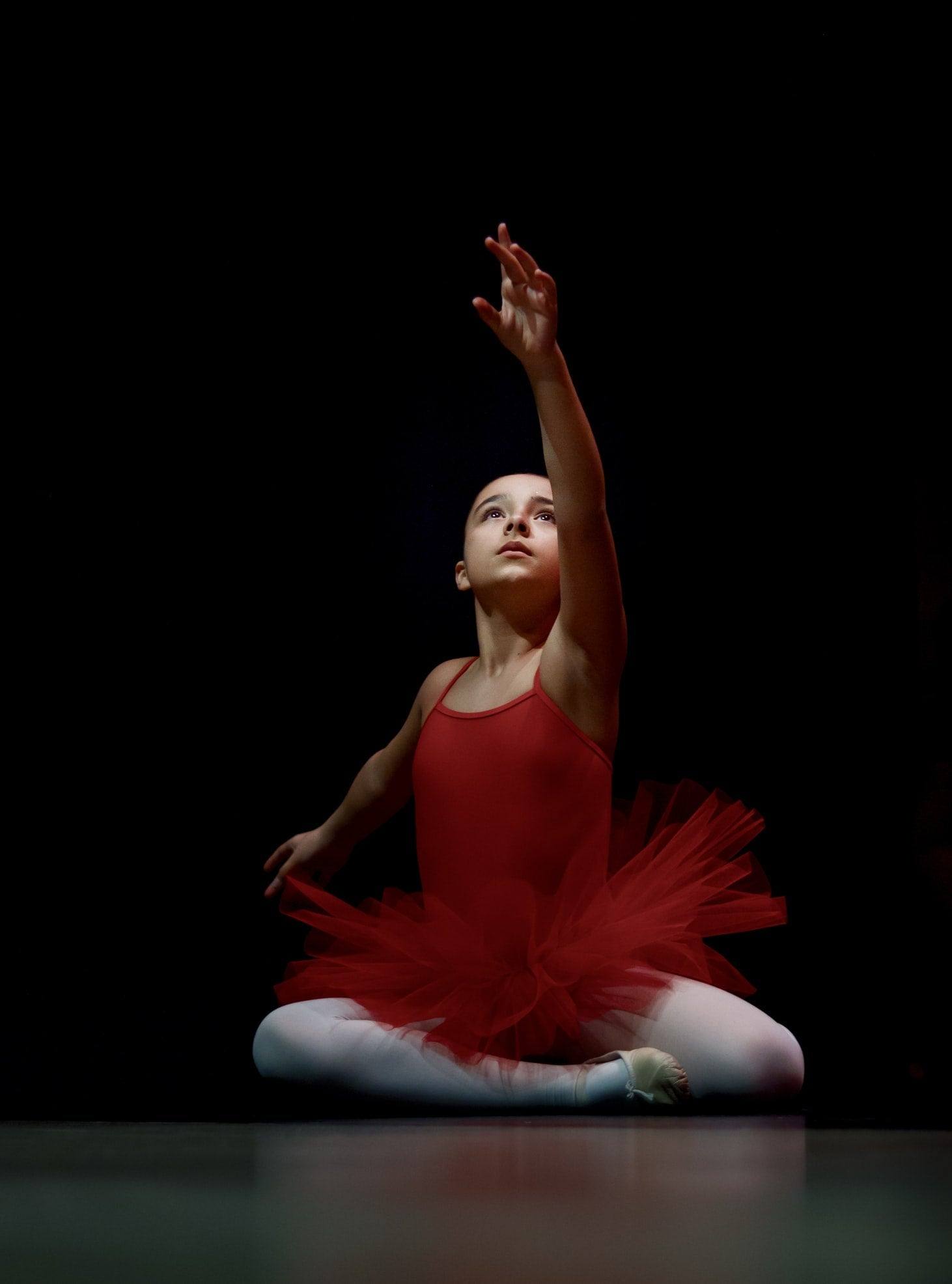
Getting the right fit for children's ballerina attire makes a real difference to how a dancer moves, feels and performs. Ill-fitting shoes pinch. Leotards that gap or pull distract. A well-fitted ballet wardrobe lets young dancers focus on technique, not discomfort. Here is exactly what to look for.
How to Fit Ballet Shoes Correctly
Ballet shoes fit differently to everyday footwear. They sit close to the foot without pinching, so sizing is rarely a simple match to street shoe size. Start with your child's current shoe size as a baseline, then try the ballet shoe on before buying if possible.
Check these points when fitting ballet shoes:
- Toes should reach the end of the shoe without curling. A small amount of space at the tip is fine for growing feet, but too much causes slipping.
- The drawstring or elastic should hold the heel snugly. No gaping at the back.
- The leather or canvas should mould to the foot shape. Stiff spots or tight bands across the arch signal the wrong width or size.
- Ask your child to releve (rise onto the ball of the foot). The shoe should stay put without wrinkling or sliding.
Leather ballet shoes stretch slightly with wear. Canvas does not stretch as much, so sizing can be closer to true fit. When in doubt, ask your dance teacher for brand-specific guidance before purchasing.
Getting the Leotard Fit Right
A leotard that fits well stays in place through every movement. No riding up. No straps slipping. No excess fabric bunching at the front. It should feel like a second skin without restricting breath or movement.
Key fit checks for a leotard:
- Shoulder straps should sit flat on the shoulder without digging in or falling off. Adjustable straps help here.
- The neckline should lie flat against the chest. Gaps at the front or back suggest the body is too wide for the torso length.
- The leg line should sit at the natural hip crease. If it pulls downward or cuts into the thigh, try a larger size or a different cut.
- The torso length matters most. Too short and the leotard pulls at the crotch. Too long and fabric bunches. Measure from shoulder to crotch and compare to size charts before ordering.
Different dance styles also call for different leotard styles and coverage. If your daughter dances both ballet and gymnastics, it is worth reading about how ballet and gymnastics leotards differ before choosing. The cut, back style and fabric weight vary more than most families expect.
Body shape also plays into which styles will be the most comfortable. Our guide on finding a leotard that flatters and fits your dancer's shape can help narrow down the style before you buy.
Browse our girls dancewear range to see size charts and style options made for Australian dancers.
Measuring Your Child for Ballet Attire
Sizing charts are only useful when the measurements are accurate. Take these three measurements with a soft tape measure before ordering anything online.
- Chest: Measure around the fullest part of the chest, keeping the tape parallel to the floor.
- Waist: Measure at the natural waist, which sits above the hips and below the ribcage.
- Torso length: Measure from the highest point of the shoulder, down through the crotch, and back up to the same shoulder point. Divide by two for the front torso length used in most leotard charts.
Children grow quickly. Measure at the start of each dance year rather than relying on last season's size. A leotard that fitted in February may be too small by July.
Ballet Skirts, Tights and Hair Accessories
Fit matters for every layer, not just the leotard and shoes.
Ballet Skirts
A wrap skirt should tie at a comfortable tension without bunching at the waist. Elastic-waist skirts should sit at the natural waist without rolling or digging. Check that the hemline clears the knees to allow full leg movement.
Ballet Tights
Tights that are too small pull at the crotch and restrict movement. Too large and they wrinkle at the ankle and knee, which bothers teachers and distracts dancers. Match tights to your child's height and weight range on the packaging, not just age. Many brands undersize for age.
Hair
Most studios require hair secured away from the face. A bun that is too tight causes headaches during long classes. Use a hair net that matches your child's hair colour and secure it with enough pins to last a full lesson without needing fixing.
Caring for Ballet Attire to Keep the Fit
Proper care extends the life and fit of every piece. Leotards made from stretch fabrics should always be washed in cold water on a gentle cycle. High heat breaks down the elastane fibres and causes the fabric to lose its shape. Lay flat to dry rather than hanging, which can stretch the shoulder straps over time.
Ballet shoes should air out after each class. Never put them in a dryer. Canvas shoes can be hand washed if needed. Leather shoes should be wiped clean with a damp cloth only.
For a deeper look at the history and construction behind the garments your dancer wears every week, this piece on leotard history and interesting dancewear facts is worth a read.
Ready to find pieces that fit perfectly from the start? Shop our full collection of girls' dance leotards, made right here in Melbourne.


