
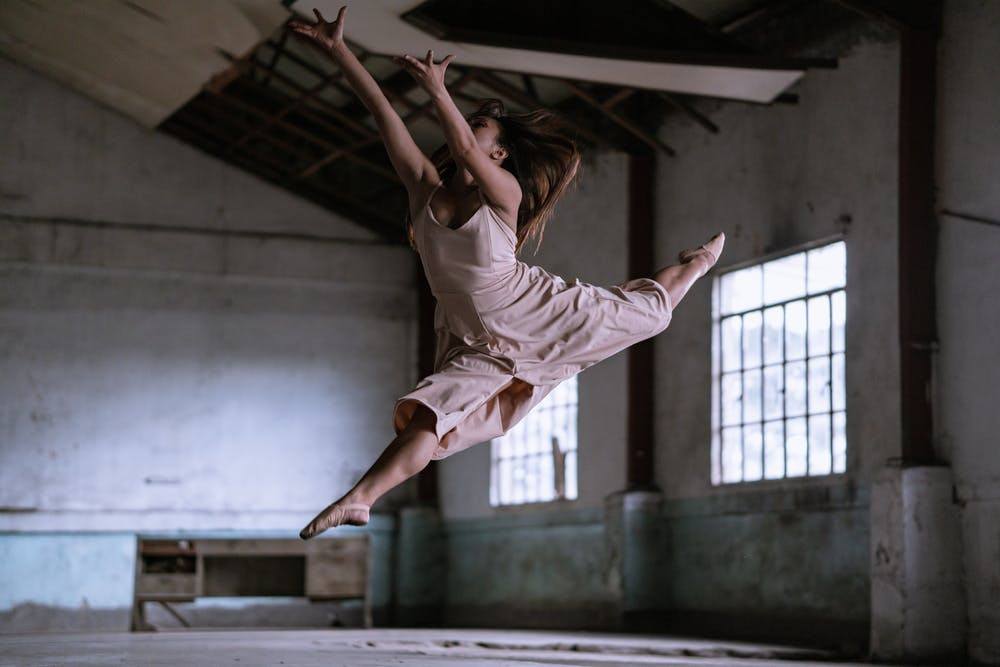
Ballet is an art form. It is also one of the most demanding disciplines a young person can commit to. The elegance of ballet as a discipline shows in every pointed toe, every carefully pinned bun, every class attended with quiet determination. Understanding what that discipline actually involves helps dancers grow, and helps mums support them well.
What the Elegance of Ballet as a Discipline Really Means
Elegance in ballet is not just about how something looks. It is the result of consistent, patient practice. A dancer who performs a clean arabesque has usually spent months building the strength, flexibility and focus that make it possible. The beauty audiences see is built in the studio, one correction at a time.
This is worth remembering on hard days. When a young dancer feels frustrated by slow progress, remind her that every great performer started exactly where she is standing now. Discipline is the bridge between where she is and where she wants to be.
The Physical Demands Behind the Grace
Ballet training works the entire body. Core strength, turnout, posture, balance and coordination all develop together over years of consistent class. Young dancers build habits that carry into every area of their lives, including focus, resilience and attention to detail.
Physical preparation matters too. Knowing what belongs in a ballet dancer's wardrobe is part of taking the discipline seriously. The right leotard, well-fitted ballet shoes and properly supported tights all help a dancer move with confidence and stay comfortable through long training sessions.
Caring for that dancewear properly is just as important. Tights are an investment. Simple habits like hand washing in cool water and avoiding the dryer make a real difference. For practical tips, read our guide on keeping dance tights in great condition for longer.
The Mental Side of Ballet Training
Ballet asks dancers to hold a great deal in their minds at once. Correct posture, musicality, spacing, timing and technical precision all need attention simultaneously. This mental load is part of what makes the discipline so rewarding. It builds concentration that transfers well beyond the studio.
Young dancers also learn to receive correction graciously. A good teacher's feedback is not criticism. It is a sign of investment in a dancer's growth. Helping your daughter understand this early makes the training experience far more positive.
Building a Consistent Practice Routine
Consistency is the foundation of ballet. A dancer who attends class regularly and practises mindfully at home will always progress faster than one who trains in bursts. Even fifteen minutes of focused practice between classes adds up significantly over a term.
Keep a small space at home clear for stretching and barre work if possible. Have her bag packed the night before. Small routines reduce the friction that gets in the way of showing up.
Supporting Your Daughter Without Overloading Her
Mums play a genuine role in a dancer's progress without needing to become the second teacher. Practical support matters enormously. Organised dancewear, on-time arrivals, healthy snacks after class and calm encouragement at home all contribute to a dancer who feels ready and settled.
Avoid replaying corrections in the car on the way home. Let the teacher's words settle. Your job is to make the environment supportive, not to extend the lesson.
Presentation as Part of the Discipline
In ballet, presentation is not vanity. It is part of the training. A neat bun, clean uniform and tidy appearance teach a dancer to respect the art form and her fellow students. Studios ask for a standard because it prepares dancers for performance conditions where presentation is non-negotiable.
Getting the bun right can take practice. Our step-by-step guide on achieving a polished ballet bun walks through the whole process clearly, which is useful for new dance families especially.
Having the right tools on hand makes a real difference too. Hair nets, pins, bun makers and elastics are the small essentials that hold everything together. Browse our dance accessories for everything you need to keep her studio-ready.
Why the Discipline Is Worth It
Ballet is hard. That is precisely the point. The young dancer who sticks with it through the difficult terms gains far more than technique. She gains perseverance, body awareness, artistic sensitivity and a deep sense of what focused effort can achieve.
The elegance of ballet as a discipline is earned. Every mum watching from the studio window and every dancer at the barre is part of something genuinely worth the effort.


