
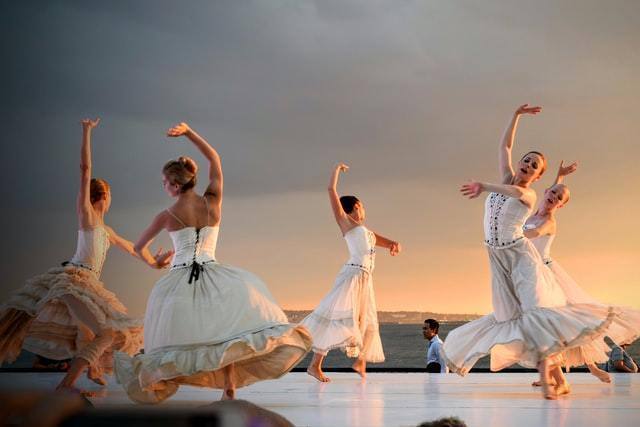
Dance costumes and dancewear are a real investment. Knowing how to care for them properly means they last longer, look better and save you money across the whole dance year. Whether you are washing a sequinned performance costume or everyday class basics, the right care routine makes a genuine difference.
How to Care for Dance Costumes After Performances
Performance costumes are often made from delicate fabrics like chiffon, organza, sequin mesh and stretch velvet. These materials need gentle handling every single time.
Check the care label first. If there is no label, treat the garment as hand-wash only. Cold water is always the safer choice. Hot water breaks down elastic, fades colour and can cause sequins to lift or warp.
After each performance, air the costume out before storing it. Sweat trapped inside a garment bag will cause odours and fabric breakdown over time. Hang it in a well-ventilated spot for a few hours first.
- Turn sequinned and embellished pieces inside out before washing.
- Use a gentle, pH-neutral detergent designed for delicates.
- Never wring or twist. Press excess water out gently against the sink.
- Lay flat to dry. Hanging a wet costume can stretch the fabric out of shape.
- Store costumes in breathable garment bags, not sealed plastic.
For heavily embellished costumes, spot cleaning is often the best approach between performances. A damp cloth with a tiny amount of detergent can lift most marks without putting the whole garment through a wash cycle.
Washing Everyday Dancewear the Right Way
Class leotards, shorts, crop tops and unitards take a hammering across a full dance week. Frequent washing is unavoidable, so the method matters.
Most everyday dancewear can go into the machine, but a mesh laundry bag is your best friend. It reduces friction and protects delicate trims, straps and zips. Select a cold, gentle or delicates cycle every time.
- Wash dancewear after every single wear. Sweat and body oils degrade lycra and nylon over time.
- Avoid fabric softener. It coats the fibres and reduces the stretch recovery of performance fabrics.
- Skip the dryer entirely. Heat destroys elastane. Air drying flat or on a hanger preserves the shape and fit.
- Wash dark and light colours separately on the first few washes to prevent colour transfer.
If your daughter does multiple classes in a week, having two or three leotards in rotation is practical. It reduces the strain of daily washing and means garments last longer overall. Browse our girls studio dancewear to build out that rotation without breaking the budget.
For younger dancers just starting out, getting the care routine right from the beginning sets good habits. If you are still working out what your toddler needs for class, this guide on dressing your toddler for dance lessons covers the basics clearly.
Storing Dance Costumes and Dancewear Between Seasons
End of year storage is where many costumes get damaged. A little preparation goes a long way.
Always wash or dry-clean costumes before packing them away. Storing a costume with sweat or product residue on the fabric causes yellowing, odour and fibre breakdown over months.
- Use acid-free tissue paper to pad out costumes with structure, like tutus and bodices.
- Store flat or loosely rolled where possible. Tight folding on the same crease lines causes permanent marks.
- Keep away from direct sunlight and moisture. A cool, dry cupboard is ideal.
- Check for loose sequins, popped stitches or broken zips before storing, not when you pull the costume out in a rush next year.
For everyday class pieces, a simple drawer or shelf works fine. The priority is keeping them dry and out of direct light.
Tights, Accessories and the Rest of the Kit
Dance tights need just as much care as the rest of the uniform. They are easy to ruin with the wrong wash routine. Hand washing in cold water and laying flat to dry will extend the life of even the finest tights significantly. If you want a fuller picture of which tights suit which style of dance, this overview of dance tights by style is a helpful starting point.
Hair accessories, scrunchies and ribbon should be hand washed or wiped clean. Bobby pins and metal clips should be dried immediately to prevent rust marks on fabric.
Dance bags deserve a regular clean too. Shake out the lining, wipe the interior with a damp cloth and let it air out between classes. Damp shoes and sweaty gear left in a closed bag create odour quickly.
Quick Reference: Care by Fabric Type
- Lycra and nylon blends: Cold machine wash in a mesh bag, no softener, air dry flat.
- Chiffon and organza: Hand wash cold, press gently, lay flat to dry, iron on the lowest setting only if needed.
- Sequin and mesh: Turn inside out, hand wash cold, never wring, air dry flat.
- Velvet and velour: Check the label. Many are dry-clean only. If machine washing is allowed, use a gentle cold cycle and air dry.
- Cotton and cotton blends: Cold wash, gentle cycle, air dry. Cotton can handle a little more than performance fabrics but still benefits from avoiding the dryer.
Taking care of dancewear properly is straightforward once you know the rules. Cold water, gentle detergent, no dryer and proper storage covers most situations. The garments hold their shape, the colours stay bright and your dancer looks polished every class and every performance.
Ready to stock up on class basics that are built to last? Explore our full range of dance class essentials for girls, designed and made right here in Melbourne.


