
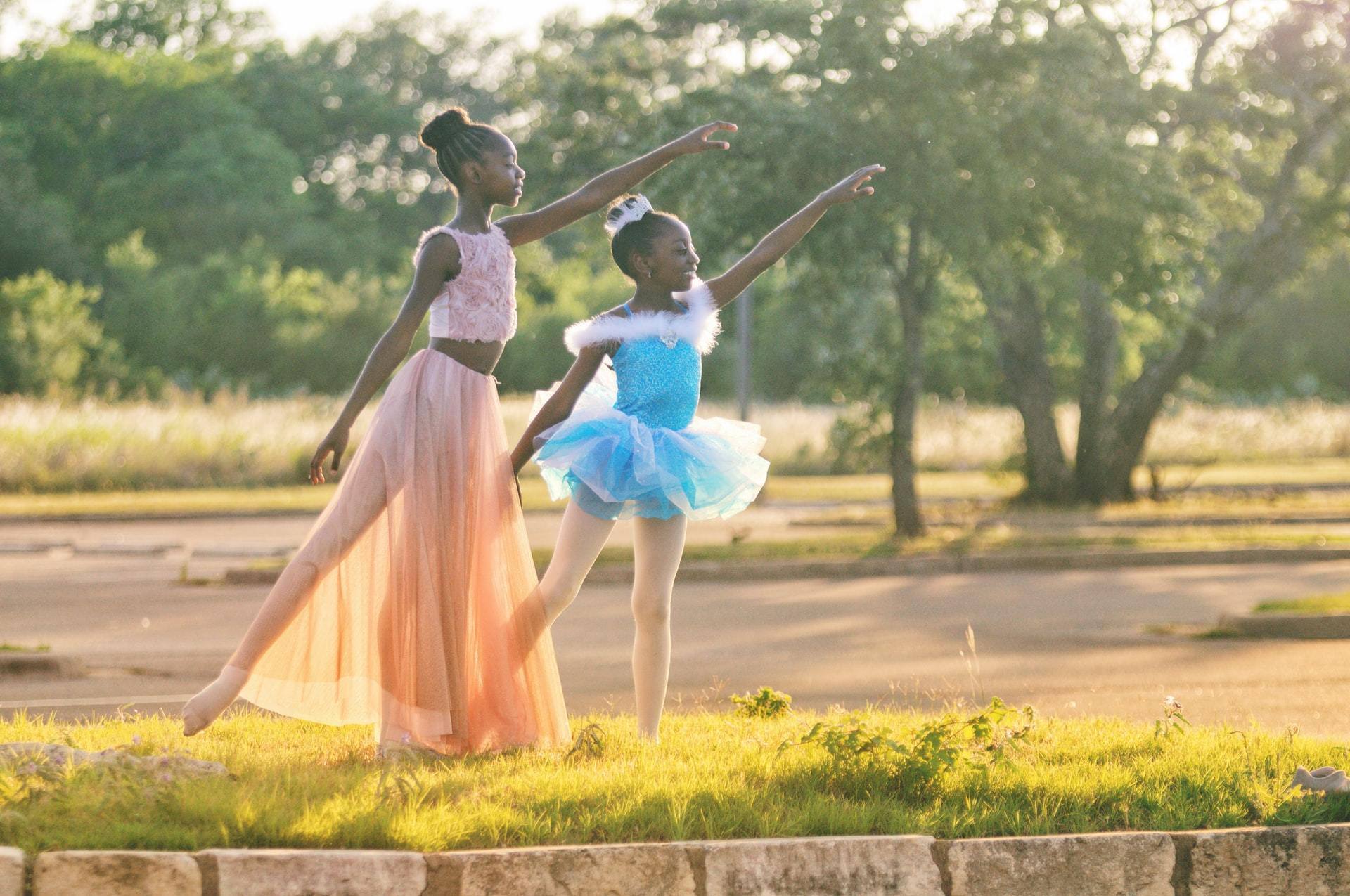
What is the ideal age for signing up for dance classes? It is one of the most common questions dance mums ask before booking that very first lesson. The short answer: readiness matters more than age. But there are some useful benchmarks to help you decide with confidence.
What Age Do Most Children Start Dance Classes?
Most dance educators point to three as a solid starting point. At three, many children can follow simple instructions, manage basic bathroom independence, and enjoy moving to music in a group. These are the practical foundations a young dancer needs before formal classes begin.
That said, every child develops differently. Some three-year-olds are ready and eager. Others are better suited to starting at four or five. The key is watching your child, not the calendar. According to Raising Children Network, children develop physical coordination and the ability to follow group instructions at varying rates during the preschool years. Pushing too early can make the experience frustrating rather than fun.
Signs Your Child Is Ready for Dance Classes
Age is a guide, not a rule. Look for these readiness signals before you enrol.
- They can listen to and follow two-step instructions without constant redirection.
- They enjoy music and naturally move their body in response to rhythm.
- They are comfortable spending time away from you in a group setting.
- They can manage their own clothing and basic toileting independently.
- They show genuine interest in dancing, not just a passing curiosity.
If your child ticks most of these boxes, they are likely ready, regardless of whether they are three or five. Enrolling a child who is not yet ready often leads to tears at the studio door and a rocky start that can put them off dance altogether.
Choosing the right studio matters just as much as timing. Our guide on what to look for before choosing dance lessons for your child covers the questions worth asking before you commit to a class.
The Ideal Age for Signing Up for Dance Classes by Style
Different dance disciplines suit different developmental stages. Here is a practical breakdown.
Creative Movement and Pre-Ballet (Ages 2.5 to 4)
These introductory classes focus on imagination, rhythm and body awareness rather than technique. They are low-pressure and play-based. An excellent starting point for very young children who love to move but are not yet ready for structured learning.
Ballet (Ages 3 to 5 and Up)
Formal ballet training typically begins around four or five, when children can absorb basic positions and class etiquette. Many studios require students to wear specific attire from the very first lesson. Getting the right ballet clothes from the start helps children feel part of the class and builds a sense of focus and routine.
Jazz, Hip Hop and Contemporary (Ages 5 and Up)
These styles require a greater ability to follow choreography and work with peers. Most studios recommend waiting until at least five, with many classes designed for six and above. Children this age are ready to absorb sequences, take correction and practise with intent.
Acrobatics and Gymnastics-Based Dance (Ages 4 to 6)
Acro classes introduce flexibility, balance and strength work. Reputable studios will assess physical readiness before placing children in these classes. Never rush into acro-style training before a child has built foundational body control.
What to Have Ready Before the First Class
Once you have found the right class and confirmed your child is ready, preparation makes the whole experience smoother. Having the right gear sorted ahead of time removes stress on the day and helps your child feel confident walking through the studio door.
Start with well-fitting basics: a leotard in the correct style for their dance discipline, tights, and the appropriate footwear for their class. Comfortable, quality pieces that move with the body make a real difference to how a young dancer feels and performs. Our starter dancewear range for young dancers is designed with Australian children in mind, made right here in Melbourne.
For a detailed breakdown of what to buy and why, our complete guide to dance basics for young dancers covers everything from crop tops and shorts to leotard fit and fabric choices.
A Quick Note on Starting Later
If your child is seven, eight or older and has never danced before, that is absolutely fine. Many children discover a love of dance later, and older beginners often progress quickly because they can focus and absorb instruction more readily. Starting later is never a disadvantage if the interest and enthusiasm are genuinely there.
The ideal age for signing up for dance classes is simply the age at which your child is ready and willing. Trust what you see in your child over any fixed number, and choose a studio and teacher who meet your child where they are.


