
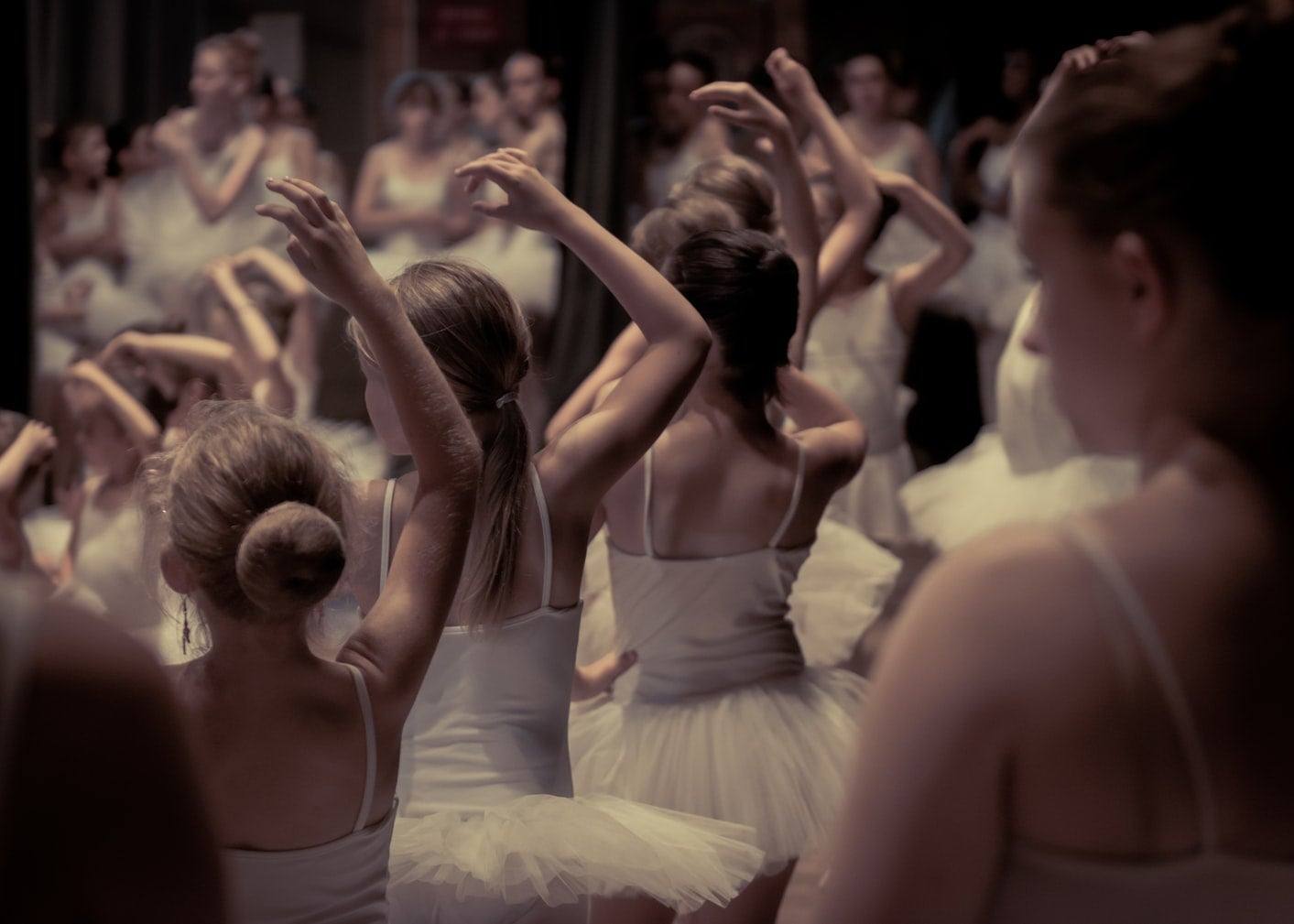
Finding the right-fitting leotard makes a real difference to how a dancer moves, feels and performs. Too loose and the fabric bunches and pulls. Too tight and it digs in, restricts movement and becomes all a dancer can think about mid-class. Getting the fit right is one of the most practical things a dance mum can do before her daughter steps onto the studio floor.
Why a Right-Fitting Leotard Actually Matters
A leotard is not just a uniform. It is a functional garment designed to move with the body. When the fit is correct, a dancer barely notices she is wearing it. That freedom lets her focus entirely on her technique, her teacher and her performance. A poorly fitted leotard does the opposite. It becomes a distraction at the barre, in the centre and on stage.
Different dance styles also have different fit expectations. A snug, structured fit suits classical ballet, while contemporary and jazz allow a little more ease. If you are ever unsure whether a leotard crosses from dancewear into gymnastics territory, this breakdown of how ballet and gymnastics leotards differ is worth a read before you buy.
How to Measure for the Best Fit
Start with three measurements: chest, waist and hips. Use a soft tape measure and measure over bare skin or a thin singlet. Write the numbers down before you shop.
- Chest: measure around the fullest part, keeping the tape parallel to the floor.
- Waist: measure around the narrowest point, usually just above the belly button.
- Hips: measure around the fullest part of the hips and seat.
- Height: many dancewear size charts use height as the primary guide for younger dancers, so always check it alongside body measurements.
Pink Lemon leotards are sized to Australian conventions and made right here in our Melbourne factory, so the fit is consistent across styles. If your daughter falls between sizes, size up. A leotard that is slightly roomier is far more comfortable than one that pulls at the shoulders or cuts in at the leg.
What to Look for When Trying a Leotard On
Shoulders and Straps
Straps should sit flat and stay in place when arms are raised. They should not dig into the shoulders or slip off when the dancer leans forward. Adjustable straps are a practical feature for growing girls.
The Bodice
The fabric across the chest and back should be smooth with no pulling or gaping. Ask your daughter to bend forward, reach overhead and twist side to side. The leotard should follow every movement without riding up or shifting out of place.
The Leg Line
The leg openings should sit comfortably at the hip without cutting into the skin. A leotard that rides up or digs into the groin is a sign the leg line is too narrow or the overall size is too small. Your daughter should be able to do a wide second position or a high kick without the fabric pulling.
The Seat and Gusset
There should be enough coverage at the seat without excess fabric bunching. A gusset adds comfort and prevents the leotard from pulling down through the back when legs are extended. Check that the leotard does not pull away from the body when your daughter bends or jumps.
Body Shape and Style Choices
Beyond size, the cut of a leotard can make a real difference to how confident a dancer feels. A higher leg line creates an elongated look. A lower scoop back adds elegance for classical styles. Cap sleeves add coverage without restricting arm movement. For a full guide on choosing styles that suit different body shapes, this article on finding a leotard that flatters your figure covers the detail really well.
Fabric matters here too. A fabric with good stretch and recovery holds its shape without compressing. It moves with the dancer rather than against her. Look for four-way stretch and a fabric weight that suits the dance style and the season.
A Few Practical Tips Before You Buy
- Check the care label. Dancewear that is hand washed or cold machine washed on a gentle cycle holds its shape and elasticity far longer.
- Buy for the body your daughter has now, not the one she might grow into. A leotard that fits poorly on day one will not improve with time.
- If your daughter is between sizes, size up and use adjustable straps to take in any extra room.
- Consider the studio dress code before choosing colour, neckline or sleeve style.
Leotards have a long history as the garment of choice for dancers and performers for very good reason. They are designed specifically for unrestricted movement. For a bit of background on where they came from and why they have remained the studio staple they are, this quick history and trivia guide to leotards is a fun read.
Shop Leotards Made for Australian Dancers
Every Pink Lemon leotard is designed and made in Melbourne. Quality is checked before anything leaves the factory. Sizes are consistent, fabrics are chosen for comfort and movement, and the range is updated regularly to give dancers and their mums styles worth wearing to every class.
Browse our girls dancewear range to find the right fit for your daughter's style, level and studio requirements.


